
There is a complex link between what we eat and our mental health. It’s an acknowledged fact, though seldom thoroughly examined, that our diet directly affects our mood. The correlation between our food intake and our physical wellbeing has long since been proven, but the complex relationship between our nutrition and our mental wellbeing, especially in care environments, remains an area of increasing importance.
Eating a healthy diet can help lower the risk of depression as well as anxiety, whereas drinking enough water can help boost moods as well as curb fatigue. The following blog examines the essential relationship between nutrition and mental health and how caregivers and facilities can use nutrition to improve the life of an adult in their care.
Understanding the Connection: How Nutrition Influences Mental Health in Adults
The integration of nutritional knowledge and mental health care has been identified as a necessity owing to the increasing evidence that nutrition has a large impact on mental health. As treatments for mental health become more holistic, lifestyle factors such as nutrition have taken center stage as key components in an expanded understanding of wellbeing. The relationship between nutrition and mental health in adults can be thoroughly explored by the following factors:
- Gut-brain axis: The connection between the gut and the brain is intricate and fascinating. This is referred to as the Gut-Brain Axis. This is central to our mental wellness and our happiness. Your gut can mirror how you are feeling. Your gut can accelerate or decelerate based on how stressed you are. Healthy food for the Gut includes fruits, vegetables, beans, and probiotics.

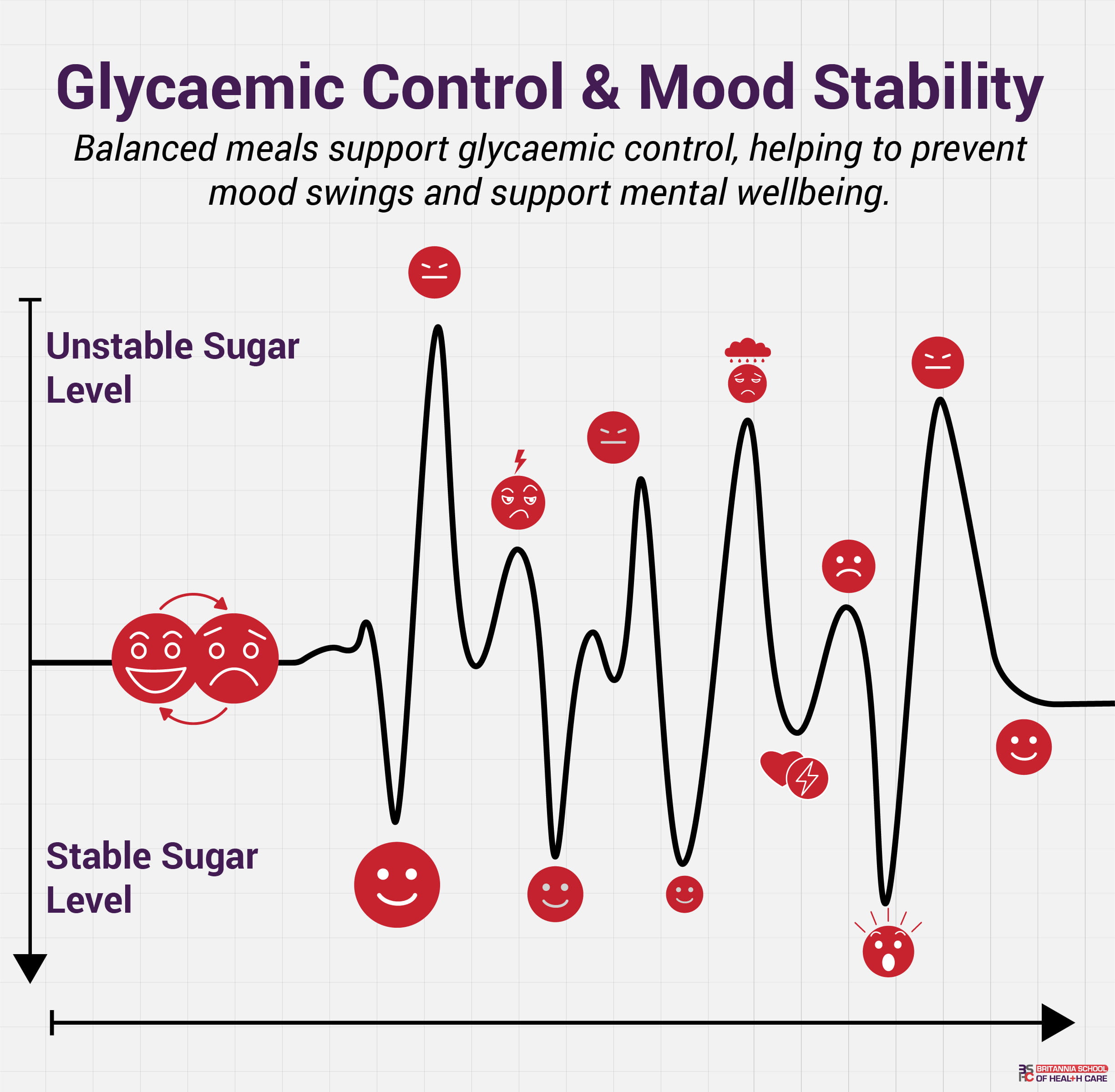
- Glycemic control and blood sugar levels: Well-balanced meals ensure that there is no fluctuation in blood sugar levels that can cause alteration in moods. When blood sugar levels are stable, the brain gets a steady supply of glucose, which is vital for concentration, calmness, and normal energy levels. This in turn indirectly results in a good mood and sharp mind. On the other hand, unstable blood sugar levels lead to mood changes as a consequence of sudden soaring and then falling levels of blood sugar. With these, one can experience irritability, anxiety, tiredness, and concentration problems.
- Anti-inflammatory foods: Inflammatory foods refer to those that may initiate or intensify inflammation in the body. The presence of such inflammation in the body has been associated with various health problems, such as heart disease, diabetes, and autoimmune disorders. Alternatively, anti, inflammatory ones such as fruits, vegetables, whole grains, nuts, and fatty fish not only helps in lowering the inflammation but also supports overall health and leads to better mood as well as cognitive function.

Key Nutrients That Support Mental Wellbeing in Adult Care Settings
Research is increasingly showing that it’s what we eat influences our mood, cognitive processes, and emotional resilience. Basic nutrients play a significant role in brain activity and mental well-being:
- Omega-3 fatty acids: These healthy fats, which can be found in fish, walnuts, and flaxseeds, support brain structure and can help reduce the symptoms of depression and anxiety.
- B vitamins – vitamins B6 and B12 and folate regulate neurotransmitters, such as serotonin, that play in maintaining mood.
- Antioxidants: These are said to be available in fruits and vegetables, and they fight off inflammation and oxidative stress, negative factors for mental health.
- Protein: Amino acids derived from protein-rich food are highly necessary for making neurotransmitters that will regulate sleep, mood, and focus.
The Impact of Malnutrition and Poor Diet on Psychological Health in Older Adults
Malnutrition or micronutrient deficiency can have a direct effect on mental health:
- Low energy and fatigue – Irritable mood
- Weakened cognition → Forgetting, lack of focus
- Mood disorders → Increased incidence of depression & anxiety
- Social withdrawal →Less engagement and social isolation
This reiterates the importance of advance nutrition planning by caregivers.
Practical Strategies to Improve Nutrition for Better Mental Wellbeing in Adult Care Environments
1. Balanced diets for adults in care settings
A well-balanced diet is needed to provide the nutrients necessary for your brain to function effectively. The various nutrients that your body needs in order to work include vitamins, minerals, antioxidants, lipids, carbohydrates (for your fiber and energy), water, and proteins.
Care staff can promote balanced diets by:
- Encouraging proper eating and snacking to avoid going extended periods of time without eating.
- Providing food that is rich in nutrients like oily fish, eggs, nuts, seeds, dairy, and leafy greens.
- Cutting down on processed food that contains high amounts of sugar and salt, which could be harmful to mental functions.
2. Promoting hydration and nutrient intake
The brain has about 75% water, and therefore, even slight dehydration can influence mental health, resulting in anxiety, fatigue, irritability, confusion, and difficulty in remembering things. Feeling thirsty indicates that your body is dehydrated. Therefore, it becomes even more significant to drink whenever you feel the urge.
Practical hydration strategies include:
- Providing drinks throughout the day, not only with meals.
- Offering a selection of enticing options such as water, milk, herbal teas, and drip juices.
- Use of visual cues and hydration charts or cups to promote consumption.
3. Healthy Meal Planning in Adult Care Homes
In the adult care setting, meals should be nutritionally balanced, culturally acceptable, and individualised. Carbohydrates are what power the brain through glucose. If too little is consumed, there may be brain fog, lethargy, and depression, and a lack of sufficient energy may cause the body to metabolise proteins from muscles to generate fuel.
Key strategies include:
- Providing for special dietary needs, for example, diabetic, dysphagia, allergy, vegetarian, and religious diets.
- The menu revolves, so there isn’t any boredom with respect to food.
- Where possible, involving patients in decisions about menus, to give patients a feeling of being in control.
The Role of Caregivers: Supporting Positive Dietary Habits to Enhance Emotional Health
Caregivers are important agents in designing eating habits in adult care settings. In adult care homes within the UK, improving nutrition practices is a collective responsibility that demands knowledge and a person-centered approach. The role of caregivers in enhancing emotional heath of residents through supporting dietary habits depend on the following strategies:
- Caregiver Nutrition Advice in UK Adult Care Homes: Professionals can often identify the signs of loss of appetite, change in eating habits, or changes in moods. Knowledge of proper nutrition management can help professionals react appropriately.
- Staff Training on Nutrition and Wellbeing: Staff development is an important aspect that ensures the carers are assured and confident in addressing food-related needs. Staff development not only helps carers know what to do, but it helps them know the reasons.
- Personalised Dietary Plans and Resident Support: Personalised diets form the bedrock of person-centered care. Each patient has different nutritional requirements, which can be influenced by health, medication, lifestyle, and choice.
Conclusion: Embracing Nutritional Approaches to Uplift Mental Wellbeing in Adult Care
The role of nutrition has emerged as a strong but sometimes overlooked force in the area of holistic care and is presently applicable in the context of UK adult care services. A robust focus on nutrition enables holistic care practices to thrive as it is understood that there is a very close link between health, emotional well-being, and social participation. By incorporating the role of nutrition as an important component of the overall framework of care, the UK adult care services will be able to ensure excellent mental health and, more importantly, make a strong impact in the everyday life of the persons receiving services from the area of adult care.